



Why OTP Verification Systems Are Targeted by SMS Pumping Attacks
Introduction
One‑time password (OTP) verification has become one of the most common security mechanisms on the internet. From signing up for new services to protecting user accounts, companies rely heavily on SMS‑based verification to confirm a user's identity.
Major platforms such as Amazon, Google, and Microsoft send millions of OTP messages every day to secure user accounts and prevent abuse.
However, this widespread use of SMS verification has also made OTP systems a prime target for a telecom fraud scheme known as SMS pumping, also called Artificially Inflated Traffic (AIT).
Understanding why OTP systems are targeted can help businesses better protect their infrastructure and reduce financial losses.
What Is SMS Pumping?
SMS pumping is a form of telecom fraud where attackers artificially generate large volumes of SMS messages in order to exploit the economics of the global messaging network.
In the A2P (Application‑to‑Person) messaging ecosystem, companies pay messaging providers to deliver verification messages to users. Those messages travel through multiple telecom carriers before reaching the recipient.
Messaging providers such as Twilio, Sinch, and Vonage handle these transactions globally.
Fraudsters exploit this system by triggering huge numbers of verification requests that result in SMS messages being sent to controlled or cooperating phone numbers.
This creates artificial traffic that generates revenue for certain telecom networks while forcing the service provider to pay for each SMS sent.
Why OTP Systems Are the Perfect Target
1. Automatic SMS Generation
OTP systems are designed to send messages instantly when a phone number is entered.
This means a single automated script can trigger thousands of SMS messages simply by submitting phone numbers repeatedly.
Unlike many other services, OTP systems are intentionally built to respond quickly and automatically, making them attractive targets.
2. Every Message Has a Cost
Each SMS message sent through the A2P network carries a small cost for the company sending it.
Even though the cost per message might only be a few cents, the impact becomes significant when traffic is artificially increased.
For example:
10,000 SMS messages
at $0.03 per message
That equals $300 in messaging costs for a single burst of traffic.
Multiply that by hundreds of thousands of messages and the financial impact grows quickly.
3. Easy Automation
OTP request forms are typically public and accessible to anyone on the internet.
This allows attackers to automate requests using tools such as:
browser automation frameworks
API scripts
distributed task systems
These tools can simulate real users requesting verification codes at high speed.
4. Global Telecom Routing
SMS messages travel through a complex chain of telecom operators before reaching the final destination.
This routing system can make it difficult to quickly identify where fraudulent traffic is originating.
In some cases, attackers deliberately route traffic toward networks where incoming SMS termination generates revenue.
5. High Volume and Real‑Time Processing
Platforms that serve millions of users must process verification requests instantly.
Because OTP systems prioritize speed and user experience, they cannot always apply strict filtering before sending messages.
This creates a window where automated systems can trigger large volumes of verification messages before detection mechanisms intervene.
The Impact of SMS Pumping
For online services, SMS pumping can lead to several problems:
Financial Losses
Companies pay for each verification message sent, even if the request is fraudulent.
Infrastructure Strain
Massive spikes in verification requests can overload messaging infrastructure.
User Experience Issues
Legitimate users may experience delays or rate limits if the system is under attack.
Telecom Fraud Investigations
Messaging providers and carriers often need to investigate suspicious traffic patterns.
How Platforms Defend Against SMS Pumping
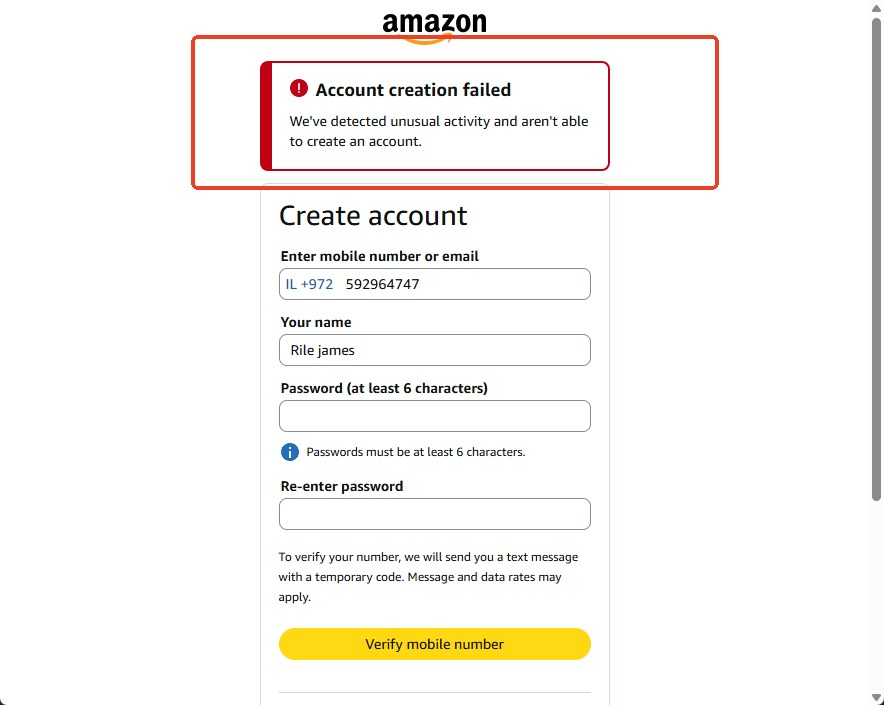
To protect OTP systems, many platforms implement multiple layers of defense.
Rate Limiting
Limiting how many verification requests can be sent from a single IP address or device within a short time period.
Phone Number Reputation Analysis
Detecting suspicious number ranges that are frequently associated with fraudulent traffic.
CAPTCHA Challenges
Requiring users to complete a challenge before triggering an SMS message.
Behavioral Analysis
Monitoring patterns such as:
unusually high request volumes
repeated requests from the same regions
automated browser signatures
Risk Scoring Systems
Some companies combine multiple signals to assign a risk score before allowing an OTP request to proceed.
The Future of OTP Security
As SMS pumping attacks evolve, companies are increasingly exploring alternative verification methods such as:
authenticator apps
device‑based verification
passkeys and passwordless login systems
While SMS OTP remains widely used, improving fraud detection and limiting abuse will continue to be a major focus for technology companies and telecom operators.
Conclusion
OTP verification systems are essential for securing online platforms, but their automatic and high‑volume nature also makes them attractive targets for SMS pumping attacks.
By understanding how these attacks work and implementing layered protections, businesses can reduce financial losses and protect their messaging infrastructure.
As online services continue to grow, securing verification systems will remain a critical part of modern cybersecurity.